5 top on-page SEO for businesses in 2022
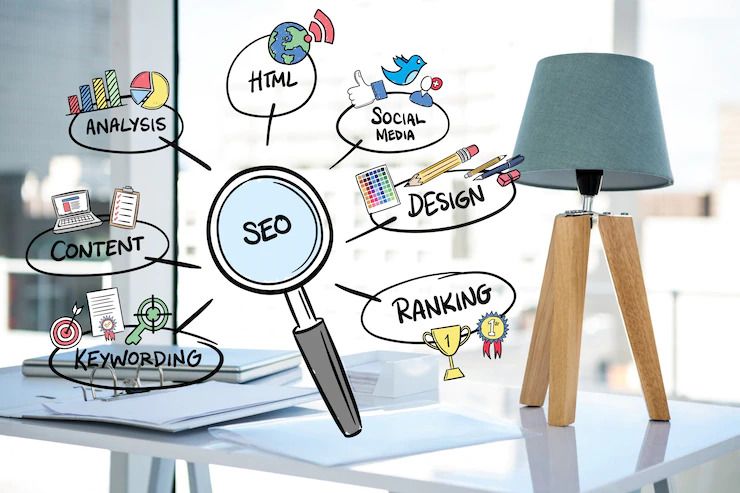
Every search engine optimization ( SEO) campaign has one single objective- inform search engines like Google about the quality and value of your website. If you just can’t impress algorithms with the kind of search experience Google thinks is high-end, your website will nosedive into the rock bottom of organic search. Result- zero visibility and engagement. The absence of proper on-page SEO makes your website unnoticeable in the internet landscape.
The five critical components of on-page SEO
Every SEO tactic will utilize certain dimensions of on-page optimization to meet the unique objectives of a particular campaign. The factors heavily rely on the size of the campaign and the scope of the client’s specifics. All-in-all, it is possible to fragment and categorize on-page SEO in myriad ways, and you can find five basic components in the below paragraphs.
1. Content
You have to consider many aspects when creating top-notch content for your website. Get the best content writers to curate your website content. Most importantly, you must create a checklist to help you with the process. Each list will have variations, but ensure you approach the main ideas with a purpose:
- Make sure the information being served is educational and precise.
- Include your target audience and their journey
- Incorporate appropriate keywords
- Add blending visual components in the form of video, images, etc., to create a copy.
2. Keywords
Keywords are search entities ( words and phrases) that communicate the nature of the content contained in a web page with search engine algorithms. As a result, search engines will know the purpose of your website and start evaluating it. Search engines use the gained information to index your website for future retrieval. When a user searches for a result, search engines scan your website’s copy and convey the relevance of the information with respect to the query. There are two types of keywords based on the length of the query-short and long-tail. In essence, short-tail keywords represent broader topics, while long-tail keywords are highly specific.
3. HTML Elements
A big part of on-page SEO focuses on incorporating specific HTML coding options. This process must take place when you embark on curating content for your website. This is a walk in the park for a professional SEO company because, for them, such adjustments provide benefits, and are not difficult to achieve.
Page Titles: Title of your web pages are not trivial to achieving on-page SEO goals. It is one of the most important determinants because they tell visitors what to expect from your website.
• Headers: Similar to page titles, headers convey the purpose of your content to Google. Headers arrange website content in a format that improves readability, thereby improving user experience multifold.
• Meta descriptions: Meta description is the synopsis of a webpage’s content and appears right below the title. Such snippets are displayed on SERPs to provide a brief description of the content to users so they can decide whether to enter the site or not.
4. Site Performance
If your website has a below-average performance across devices, you must optimize the website with various elements like top-notch content, quality links, etc. Google gives prime importance to site performance when evaluating your website. For instance, a lag in loading time inversely affects user experience, prompting visitors to cut short their stay and go elsewhere to get the required information. Present-day internet users are literate about the state of technological advancements, and for that reason, they gauge your website based on the page experience. According to a study, pages that consume over three seconds to load will cause users to leave the website.
5. Advanced options
Apart from these basic things, brands can leverage two advanced components to secure this aspect of SEO. One is the integration of alt-text, and the other is the site architecture optimization.
Image Alt-text: This option gains prominence due to the increased occurrence of image searches. In fact, the lion's share of website traction results from image-based results. For this to happen, you must utilize alt-texts in your website’s content. For small sites, the manual application of alt-texts does the deed, but for large ones with thousands of pages, it is best to achieve alt-text insertion using automation tools.
• Interlinking and site architecture
A properly optimized site should have a well-defined organizational structure with the required interlinks to allow crawler bots to make a smooth journey through your content. The navigational structure on your website must be easy to understand and follow.
Performing quality SEO is essential for accomplishing a specific objective: increasing website traffic. On-page SEO is needed to understand the standard queries related to your audience and how your customers can fulfill their goals. You have to be consistent with your effort to review, adjust, and enhance the quality of content and know how it influences your audience.
Good Luck!